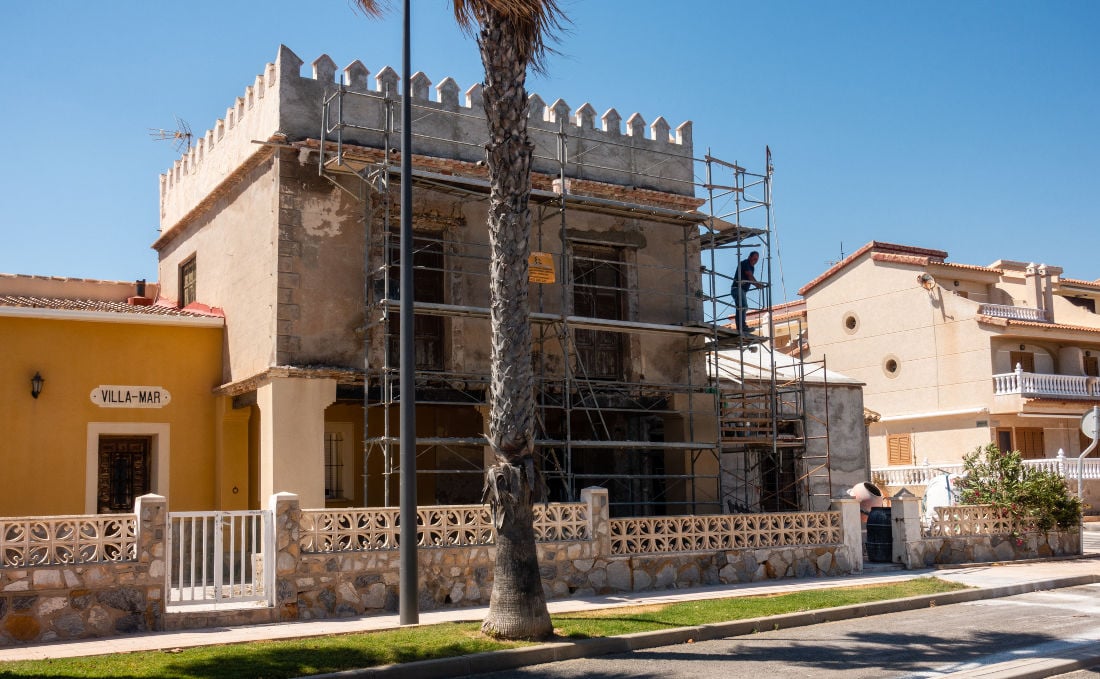
A dated kitchen can be changed. The location, access and basic limitations of a property deserve more careful thought before you buy. That distinction matters when an older Cabo home offers the setting you want, but needs work before it feels like your second home.
A fixer-upper in Cabo can suit a buyer who wants to make considered changes and can accommodate the project. Start by establishing what needs doing, what changes are allowed and how much the complete purchase and renovation will cost. As you compare Cabo properties for sale, keep a suitable finished home on your shortlist too. It gives you a useful comparison for both spending and the time you could spend enjoying the property.
Key Takeaways
- Choose a home whose location, access and essential characteristics already suit you. Do not assume every limitation can be renovated away.
- Separate improvements you want from repairs the property needs, and identify work that remains uncertain.
- Check the feasibility and required approvals for changes that are essential to your purchase decision.
- Compare the full project budget, including ownership costs during the work, with a suitable finished home.
- If you live outside Cabo, arrange local oversight and clear decision-making responsibilities. A flexible schedule and a manageable scope matter as much as enthusiasm for the finished result.
Decide What You Want to Change Before You Buy
Write down the changes that would make the property work for you. Be specific: refreshing cabinet fronts is a different proposal from moving the kitchen, and replacing terrace furniture differs from adding a pool.
Separate essential changes from preferences you could revisit later. Then consider how the home would function if an essential change proved impractical or was not approved. If the purchase only makes sense with an extra bedroom or a larger opening onto the terrace, investigate that possibility before committing.
Look closely at the features you are buying as they stand. Assess the approach from the road, parking, steps, outdoor space, neighbouring buildings and the rooms you would use most. A renovation budget does not give you control over neighbouring land or community restrictions.
For a second home, consider your first year of ownership. You may enjoy selecting finishes and developing a design. You may also discover that using the home on your next visit matters more than customizing every room. Both are reasonable priorities; the property should match yours.
Separate Cosmetic Work From Repairs You Cannot Postpone
An older interior does not establish the condition of the building behind it. Arrange a pre-purchase home inspection and clarify its scope before relying on it to plan the renovation.
InterNACHI’s Standards of Practice, for example, describe a visual, non-invasive inspection of accessible areas and set limits on what it covers. Those standards do not establish the scope of every inspection in Cabo. Ask your inspector what is included, what cannot be assessed and where additional specialist input is needed.
Use the findings to organize the proposed work.
Type of work | Examples to discuss | What to establish |
|---|---|---|
Changes to appearance | Paint, hardware, furnishings and selected finish updates | What can be completed independently or postponed |
Repairs or system work | Water intrusion, electrical concerns, plumbing or AC issues | Cause, scope, priority and an appropriate repair proposal |
Layout or structural changes | New openings, additions, relocated services or extra rooftop loads | Technical feasibility, rights and applicable approvals |
Keep unresolved items visible in your budget. An inaccessible area or an unexplained stain needs further investigation, rather than an optimistic allowance hidden inside a decorating estimate.
Request available maintenance records and information about previous alterations. For a condo, establish which relevant building elements are shared and who is responsible for investigating and repairing them. A unit inspection should not be assumed to cover the entire building.
Confirm That Your Renovation Plan Is Allowed
Before treating a desired change as part of the property’s value, have the proposed scope reviewed locally. Los Cabos’ published construction-licence application includes remodelación as a category of work. The procedure applicable to your project should be confirmed with the municipality and the appropriate local professional.
Approval also needs to match the work you intend to carry out. In a published clarification concerning a property in San José del Cabo’s Centro Histórico, the Ayuntamiento distinguished an authorization for remodelling from permission to demolish. A general assurance that a property has a permit does not explain what that permit covers.
In a community, request the current architectural and renovation rules as well. Pedregal’s official FAQ, for example, confirms building CC&Rs intended to respect views and consistency between properties. For a home in Pedregal, obtain the requirements that apply to the particular project rather than assuming a neighbouring renovation sets a precedent.
Ask about contractor access, working hours, waste removal, protection of common areas and any applicable charges. Have your buyer’s attorney review relevant property documents and past alterations. Community approval and municipal authorization should be checked separately.
Compare the Full Project Cost With a Finished Home
The useful comparison starts with the price of the property and includes the work needed to make it suitable for your plans. An initial contractor estimate may leave out design, approvals, delivery, supervision or work that cannot yet be assessed.
Build a budget that makes those assumptions visible.
Budget item | What to include or clarify |
|---|---|
Purchase | Agreed price and property-specific closing-cost estimate |
Investigation and design | Inspections, specialist assessments, plans and professional input |
Approvals | Applicable municipal and community procedures and charges |
Renovation | Necessary repairs and your agreed improvements, with materials and exclusions |
Project logistics | Delivery, access, demolition, waste removal, protection and local oversight |
Ownership during the work | Applicable HOA fees, utilities, insurance and financing expenses |
Other accommodation | Temporary lodging or storage you would need |
Uncertainty and completion | A justified contingency, final checks and any work excluded from the main proposal |
Check what is already included so that costs are counted once. Confirm taxes, currencies and any exchange-rate assumptions before comparing totals.
Assess the project against a finished property with similar location, size, bedrooms and outdoor space. Asking prices are useful starting points, but they are not evidence of completed sale values.
Review the full costs of buying in Cabo alongside your renovation proposal. Decide whether the customization is worth the complete commitment to you. Money spent on a renovation does not establish an equivalent increase in market value.
Get a Written Scope Before Comparing Contractor Quotes
Give prospective contractors the same description of the work. Specify materials and finishes where possible, and identify what remains an allowance or requires further investigation. Comparing totals is difficult when one proposal includes plumbing changes and another assumes the existing installation will remain.
Ask each contractor to explain exclusions, material availability, delivery assumptions and the proposed sequence of work. Review their relevant completed projects and speak with previous clients about communication, changes and how problems were resolved.
Before appointing anyone, have a written agreement reviewed for the scope, price basis, payment stages, responsibilities and completion arrangements. Establish how additional work will be described, priced and approved. Changes should have an agreed effect on both the budget and schedule before they proceed.
Confirm the identity of the business or person you are contracting with and who will supervise the site. Discuss warranties, correction of defects and responsibility for damage. A recommendation can help you find candidates, but the proposal and agreement still need their own review.
Plan for the Time You Cannot Use the Home
Ask for a schedule that separates design and approvals, procurement, site work and completion checks. Establish which decisions or deliveries must happen before the next stage can begin.
Check the community’s actual work and access rules, including any restrictions relevant to your proposed dates. For exterior work, ask how the contractor will protect unfinished areas and respond to unsuitable weather. Avoid booking your first stay around an unverified completion promise.
Define what ready for use means. You may need functioning bathrooms, a usable kitchen, tested systems, final cleaning and delivered furniture before the home serves its purpose, even if the main construction work is finished.
If you hope to renovate in stages, confirm that occupied areas can remain suitable for use and that essential services will be available. Include alternative accommodation in the plan where necessary. A project that fits the budget may still be the wrong fit for a fixed winter arrival.
Put Someone in Charge When You Are Away
For owners living in the U.S. or Canada, name the person responsible for local coordination before work starts. Establish who opens the property, checks progress, communicates with the HOA and reports issues that need your decision.
Define authority as well as communication. Who can approve a substitution, authorize an additional expense or accept a completed stage? Which decisions require you to respond, and how quickly? Set these arrangements out clearly with the people involved.
Regular photographs, spending updates and a record of changes help you follow the project. Technical checks should also be arranged at appropriate stages, especially before relevant work becomes concealed. Photographs alone cannot verify every aspect of workmanship.
Build the renovation arrangements into your wider plan for managing a Cabo home from abroad. At completion, obtain the applicable documents, operating instructions, warranties and a list of outstanding items. Agree who will confirm that those items have been resolved before treating the project as complete.
When a Fixer-Upper Makes Sense and When to Keep Looking
A renovation property deserves further consideration when its existing location and essential features suit you, the necessary work is understood and the desired changes appear feasible. You also need a budget you can fund, an acceptable period without full use of the home and a workable local team.
You might choose to reduce the scope rather than abandon the property. Keeping a functional layout and postponing optional finishes can create a different project from a complete redesign. Have that revised proposal assessed on its own terms.
Pause when a purchase depends on an unconfirmed addition, a major condition question remains unresolved or the budget only works if nothing changes. A finished home may suit you better if your priority is using it immediately or you do not want ongoing project decisions.
When choosing the right Cabo property, include the work of getting there in your assessment. The finished design can be appealing, but the purchase also brings the decisions, expenses and waiting period required to achieve it.
Frequently Asked Questions
Is a fixer-upper in Cabo always cheaper than a move-in-ready home?
No. Compare the purchase price, closing costs, necessary repairs, desired improvements and expenses during the work with a suitable finished property. A lower asking price does not establish a lower total commitment. Use proposals based on the actual home and keep unresolved costs visible.
Do I need permission to renovate a home in Cabo?
Confirm the requirements for the particular scope and address with the municipality and a qualified local professional. Also review applicable community rules. Do not assume that interior work is automatically exempt or that an existing approval covers every change you want to make.
Can I manage a Cabo renovation from the U.S. or Canada?
You can coordinate decisions remotely, but arrange local responsibility for access, supervision, reporting and appropriate technical checks. Agree who can authorize changes and payments. The arrangement should be defined before work starts, with a clear process for issues that need your attention.
Can I live in the home while it is being renovated?
That depends on the work, safety, access and availability of essential services. Ask the project team whether occupied and work areas can be separated appropriately. Major work may make another accommodation arrangement necessary. Establish this before relying on the property for a planned stay.
Compare the Project With Joe
Send Joe Taylor the property you are considering and your essential changes. As you plan your Cabo buying trip, compare it with a suitable finished home and identify the technical, budget and approval questions to resolve before choosing.
