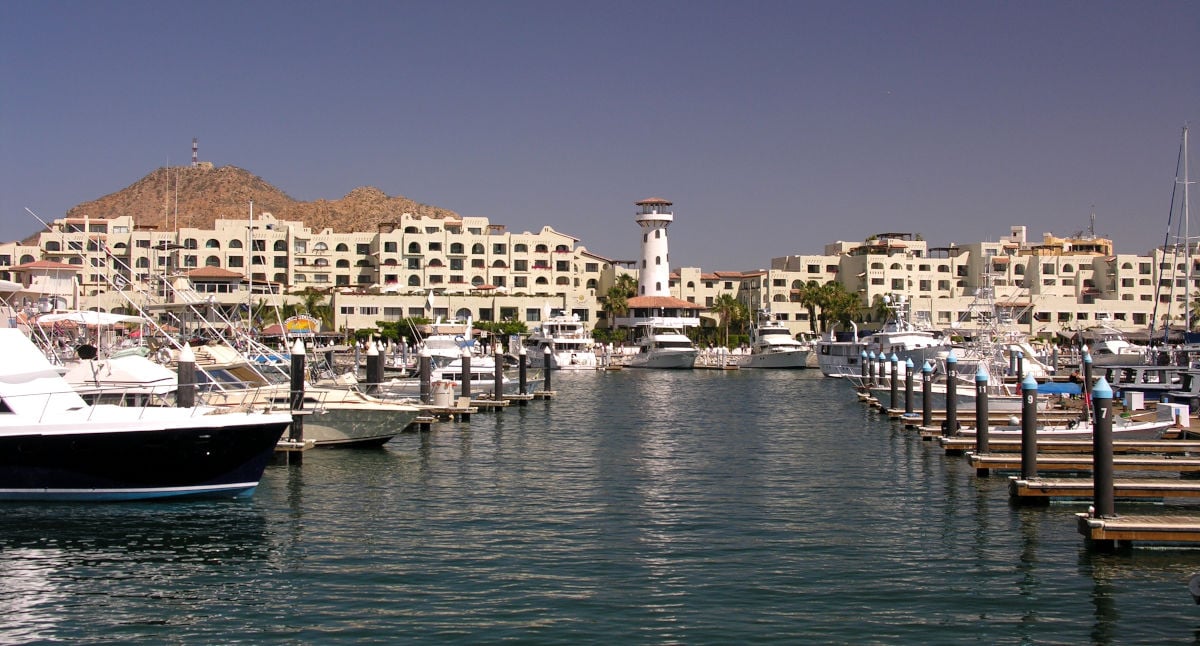
The short answer: Yes — and Los Cabos is one of the most Airbnb-friendly markets in all of Mexico. But doing it legally means understanding a handful of rules most buyers never hear about until after they close. Here's everything you need to know before you list.
If you're considering buying property in Los Cabos as an investment, you've probably run the numbers. You've seen the headlines about Cabo's booming tourism market — 3.86 million visitors in 2023, record occupancy rates, and year-round sunshine that keeps guests flowing even in the so-called "off-season." And somewhere along the way, you've probably thought: Can I put this on Airbnb?
The question is more nuanced than it seems — especially if you've been reading news about Mexico's crackdown on short-term rentals. But here's what the headlines often miss: the regulations making news are almost entirely specific to Mexico City. Los Cabos, located in the state of Baja California Sur, operates under an entirely different legal framework — and right now, that framework is very investor-friendly.
Let's walk through exactly what the law says, what you're required to do, how taxes work, and what kind of returns you can realistically expect.
Key Takeaways
- Airbnb is fully legal in Los Cabos. Baja California Sur has no night caps, no mandatory host registry, and no ban on foreigners renting their properties — unlike Mexico City.
- Foreign buyers use a fideicomiso. All coastal property in Mexico requires a bank trust for non-citizens, but this doesn't limit your right to generate rental income.
- Get your RFC before your first booking. Without Mexico's tax ID number, Airbnb can withhold up to 36% of your gross revenue automatically.
- Los Cabos ranks top 1% in Mexico for Airbnb revenue. Average listings earn ~$33,000/year with a 57% occupancy rate and $176 average daily rate.
- Your HOA rules matter as much as state law. Some developments prohibit short-term rentals in their governing documents — always verify before you buy.
- U.S. investors must report this income to the IRS. Mexican rental income is taxable in the U.S., though Foreign Tax Credits prevent most double taxation.
- A property manager and a local accountant are not optional. They protect your revenue, ensure compliance, and pay for themselves many times over.
Is Airbnb Legal in Los Cabos?
Yes. Short-term rentals via Airbnb, VRBO, and similar platforms are fully legal in Los Cabos, and the regulatory environment in Baja California Sur remains among the most permissive in Mexico for vacation rental investors.
Unlike Mexico City — which in 2024 introduced sweeping restrictions including mandatory host registries, a 180-night annual cap, and prohibitions on short-term rentals in social housing — Baja California Sur has taken a lighter-touch approach. The state did amend its Civil Code in 2018 to formally recognize short-term leases (agreements from one to eleven months), which actually gave vacation rentals clearer legal standing, not fewer rights.
As of 2025, data from AirROI shows that approximately 0% of active listings in Los Cabos are formally licensed with local authorities — not because operators are flouting the law, but because the city-level licensing framework simply hasn't been enforced the way it has in other markets. The regulatory risk that has spooked investors in Mexico City, Tulum, or even parts of Puerto Vallarta simply hasn't materialized in Los Cabos.
That said, "legal" doesn't mean "paperwork-free." There are meaningful compliance steps every property owner should take — and skipping them can be costly.
What Foreign Buyers Need to Know First: The Fideicomiso
Before we get to Airbnb specifically, there's a foundational legal reality every foreign buyer in Los Cabos needs to understand: you cannot hold direct title to coastal property in Mexico as a foreign national.
Under Article 27 of Mexico's Constitution, non-citizens are prohibited from directly owning land within 50 kilometers of the coastline or 100 kilometers of a land border. Since virtually every desirable property in Los Cabos falls within this "restricted zone," foreign buyers must use a structure called a fideicomiso — a bank trust in which a Mexican bank holds legal title while you retain full beneficial ownership rights.
What that means in practice:
- A Mexican bank (BBVA, Scotiabank, Santander, etc.) acts as trustee
- You, as the beneficiary, control the property — you can use it, rent it, sell it, or pass it to heirs
- The fideicomiso is established for 50 years and can be renewed indefinitely
- Setup costs typically run $1,500–$2,000, plus annual trustee fees of around $500–$800
Critically, a fideicomiso does not restrict your ability to list the property on Airbnb. You retain full rights to generate rental income. In fact, the fideicomiso is the standard, legal path used by thousands of American and Canadian investors who successfully rent their Los Cabos properties on Airbnb right now.
Tax Obligations: What You Actually Owe
This is where many investors get caught off guard — not because the taxes are prohibitive, but because they didn't set up properly from the start. Here's a clear breakdown.
Mexican Taxes
IVA (Value Added Tax — 16%) Short-term vacation rentals are subject to Mexico's 16% VAT. The good news: Airbnb collects and remits this automatically to Mexico's tax authority (SAT) on your behalf. If you're registered with the SAT, you may also be eligible to reclaim IVA on expenses like property management fees and repairs.
ISR (Income Tax) Rental income from a Mexican property is subject to Mexican income tax regardless of whether you live in Mexico or abroad. Airbnb may withhold a portion automatically. The key is to register with SAT and obtain an RFC (Registro Federal de Contribuyentes) — Mexico's equivalent of a tax ID number.
Without an RFC, platforms like Airbnb can withhold up to 36% of your gross revenue before it ever reaches you. With an RFC and proper registration, you can dramatically reduce that withholding and file for refunds or deductions. Registered owners can deduct legitimate expenses — property management fees, HOA dues, insurance, maintenance, and more — or elect a simplified 35% flat deduction against gross rental income if their records are limited.
Working with a local Mexican accountant (most can be found in San José del Cabo) is not optional — it's essential.
Predial (Property Tax) Mexico's annual property tax is very low compared to the U.S. — typically a fraction of a percent of assessed value. It must be paid current; unpaid predial will surface at any future sale or fideicomiso renewal.
U.S. Taxes (for American Citizens)
U.S. citizens must report worldwide income to the IRS, including rental income from foreign properties. Foreign rental income is treated as passive income taxed at ordinary federal income tax rates. It does not qualify for the Foreign Earned Income Exclusion.
However, you can claim a Foreign Tax Credit for taxes already paid to Mexico, significantly reducing double taxation. Most investors report Mexican rental income on Schedule E (rental properties) or Schedule C, depending on the level of services provided.
The Numbers: What Can You Actually Earn?
Los Cabos is a genuinely exceptional short-term rental market. Here's what the data shows:
Market-wide metrics (2024–2025):
- Active listings: approximately 4,877 across greater Los Cabos
- Average occupancy rate: 57% (Airbtics data, Nov 2024–Oct 2025)
- Average daily rate (ADR): approximately $176 USD
- Average annual revenue per listing: approximately $33,000 USD
Among all markets in Mexico, Los Cabos ranks in the top 1% for revenue and top 2% for average daily rate — outperforming Cancún, Puerto Vallarta, and nearly every other destination in the country.
Peak season runs from December through April, when North American visitors flood in to escape winter. March and February are typically the highest-revenue months. September is the slowest, though Los Cabos' year-round appeal means even the low season delivers meaningful bookings.
Top-performing properties — those with ocean views, pools, or premium amenities in desirable areas like Palmilla, Quivira, or the Corridor — can command nightly rates well above the median, with the top 10% of properties earning $1,000+ per night.
Step-by-Step: How to Legally List Your Los Cabos Property on Airbnb
Here's a practical checklist to get you operating fully above board:
- Close through a properly structured fideicomiso Work with a reputable notario (Mexico's state-appointed closing attorney) and ensure your trust is correctly established. This is your ownership foundation — everything else builds on it.
- Obtain your RFC from SAT Register with Mexico's tax authority before your first booking. This is required for legal rental operations and dramatically affects how much of your revenue you actually receive. A local accountant handles this routinely.
- Confirm your HOA or condominium permits short-term rentals This is critically important. Many resort-style developments in Los Cabos explicitly allow short-term rentals — it's often a selling feature. But some developments prohibit them in their reglamentos (CC&Rs). Always verify before you buy.
- Obtain local business registration if required While formal licensing isn't currently enforced broadly in Los Cabos, the legal framework does exist for municipalities to require registration. Staying proactive here is good practice.
- Hire a property management company Most successful Airbnb investors in Los Cabos use a professional property manager. They handle guest communications, cleaning, maintenance, and — importantly — issue facturas (official Mexican invoices) that you can use as tax deductions.
- Set up your accounting Your Mexican accountant will handle monthly or quarterly SAT filings, manage your RFC, track your IVA obligations, and ensure you're maximizing deductions. The cost is modest; the savings are real.
Los Cabos vs. Mexico City: Why the Distinction Matters
If you've been following Mexican real estate news, you've likely seen alarming headlines about Airbnb bans and new laws. Here's the context those headlines often lack.
Mexico City in 2024 passed sweeping reforms — often called the "Airbnb Law" — capping short-term rentals at 180 nights per year, creating mandatory host registries, and banning rentals in government-subsidized housing. Those rules apply exclusively within Mexico City's jurisdiction.
Baja California Sur has no such restrictions. The state's regulatory approach as of 2025 remains permissive, with no annual night caps, no mandatory host registry (beyond general tax registration), and no prohibition on foreigners operating short-term rentals through their fideicomisos.
Could that change in the future? Possibly. Legal experts note that other Mexican states are watching Mexico City's experiment closely. But even if stricter regulations were to emerge, Los Cabos' tourism infrastructure — its international airport, luxury hotel ecosystem, and decades of brand recognition — insulates it from the demand destruction that makes heavy regulation so damaging elsewhere.
And as investment platforms note: even if short-term rental rules tighten, a well-purchased Los Cabos property converts readily to long-term rental income, maintaining your return even under more restrictive scenarios.
Which Properties Work Best for Airbnb in Los Cabos?
Not every property in Los Cabos will perform equally as an Airbnb. Here's what consistently drives above-average results:
Location matters enormously. Properties in the Tourism Corridor (the stretch between Cabo San Lucas and San José del Cabo), Palmilla, Quivira, and beachfront areas consistently outperform inland or residential-zone properties. Proximity to the water, golf courses, or resort amenities drives both nightly rate and occupancy.
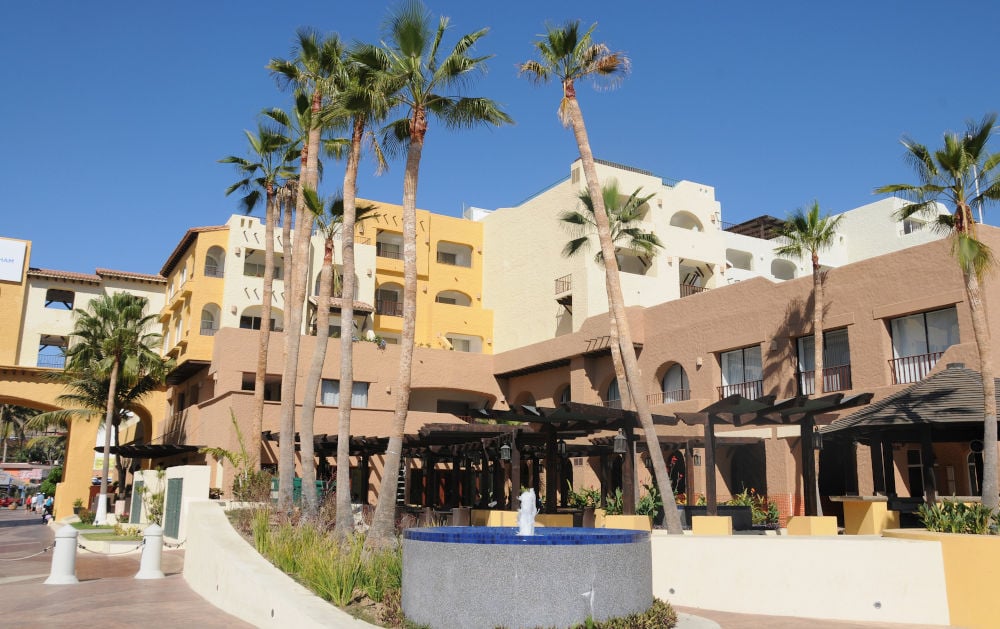
Condos in resort developments with established rental programs offer a practical entry point (browse Cabo San Lucas condos for sale). Many developments — including some of the projects we represent — have built-in property management relationships, HOA approval for short-term rentals, and the resort amenities (pools, concierge, beach clubs) that drive premium nightly rates.
Villas and standalone homes can generate extraordinary revenue at the high end — properties with private pools and ocean views regularly command $500–$2,000+ per night — but they require more active management and larger upfront investment.
Furnished and turnkey properties reduce the time between purchase and first booking. If maximizing early rental income matters to you, prioritize properties that don't require months of outfitting before they're guest-ready.
The Bottom Line
Los Cabos is one of the few markets in Latin America where the stars genuinely align for short-term rental investors: strong and growing tourism demand, favorable regulation compared to other Mexican markets, a track record of appreciation, and infrastructure (direct flights, luxury services, reliable utilities) that guests expect and reward with bookings.
The legal path to Airbnb-ing your Los Cabos property is clear. It requires proper setup — a correctly structured fideicomiso, SAT registration, the right professional support — but none of it is complicated when you work with people who know the market.
What it does require is buying the right property in the first place. Location, development rules, and the physical characteristics of the unit determine 80% of your Airbnb performance before you ever write a listing description.
Frequently Asked Questions
Do I need a special license to Airbnb my property in Los Cabos?As of 2025, there is no actively enforced short-term rental license requirement at the municipal level in Los Cabos. However, you are legally required to register with Mexico's tax authority (SAT) and obtain an RFC before generating rental income. Staying ahead of any future local licensing requirements by consulting a local attorney is always good practice.
Can a foreigner legally own and rent out property in Los Cabos on Airbnb? Yes. Foreigners own property in the coastal "restricted zone" through a fideicomiso (bank trust), which grants full beneficial ownership rights including the right to rent the property on any platform. Thousands of American and Canadian investors already do this legally and profitably.
What happens if my condo development doesn't allow Airbnb? If your HOA's governing documents (reglamento) prohibit short-term rentals, you are bound by that restriction regardless of what state law allows. Violating it can result in fines or even legal action from the association. This is one of the most important due-diligence questions to ask before purchasing any property intended for short-term rental.
How does Mexico tax my Airbnb rental income?
Mexico applies ISR (income tax) and IVA (16% VAT) to short-term rental income. Airbnb collects and remits IVA automatically. For ISR, registered property owners with an RFC can deduct operating expenses — or elect a simplified 35% flat deduction — significantly reducing the net tax owed. Without an RFC, Airbnb may withhold up to 36% of gross revenue automatically.
Do I also owe U.S. taxes on my Los Cabos Airbnb income?
Yes. U.S. citizens must report worldwide income to the IRS, including foreign rental income. It is taxed as passive income at ordinary federal rates. However, taxes already paid to Mexico can be applied as a Foreign Tax Credit against your U.S. liability, eliminating most double taxation in practice. A U.S. accountant familiar with foreign rental income is strongly recommended.
Is Los Cabos affected by Mexico City's "Airbnb Law"?
No. The 2024 reforms that capped short-term rentals at 180 nights per year and created mandatory host registries apply exclusively to Mexico City. Baja California Sur — the state where Los Cabos is located — has implemented no equivalent restrictions. These are entirely separate legal jurisdictions.
What kind of returns can I realistically expect from an Airbnb in Los Cabos?
Market data for 2024–2025 shows average annual revenue of approximately $33,000 USD per listing, with a 57% occupancy rate and an average daily rate around $176. Top-performing properties in premium locations (ocean views, private pools, resort amenities) significantly exceed those averages. Los Cabos ranks in the top 1% of all Mexican markets for Airbnb revenue — making it one of the strongest short-term rental investment destinations in Latin America.
