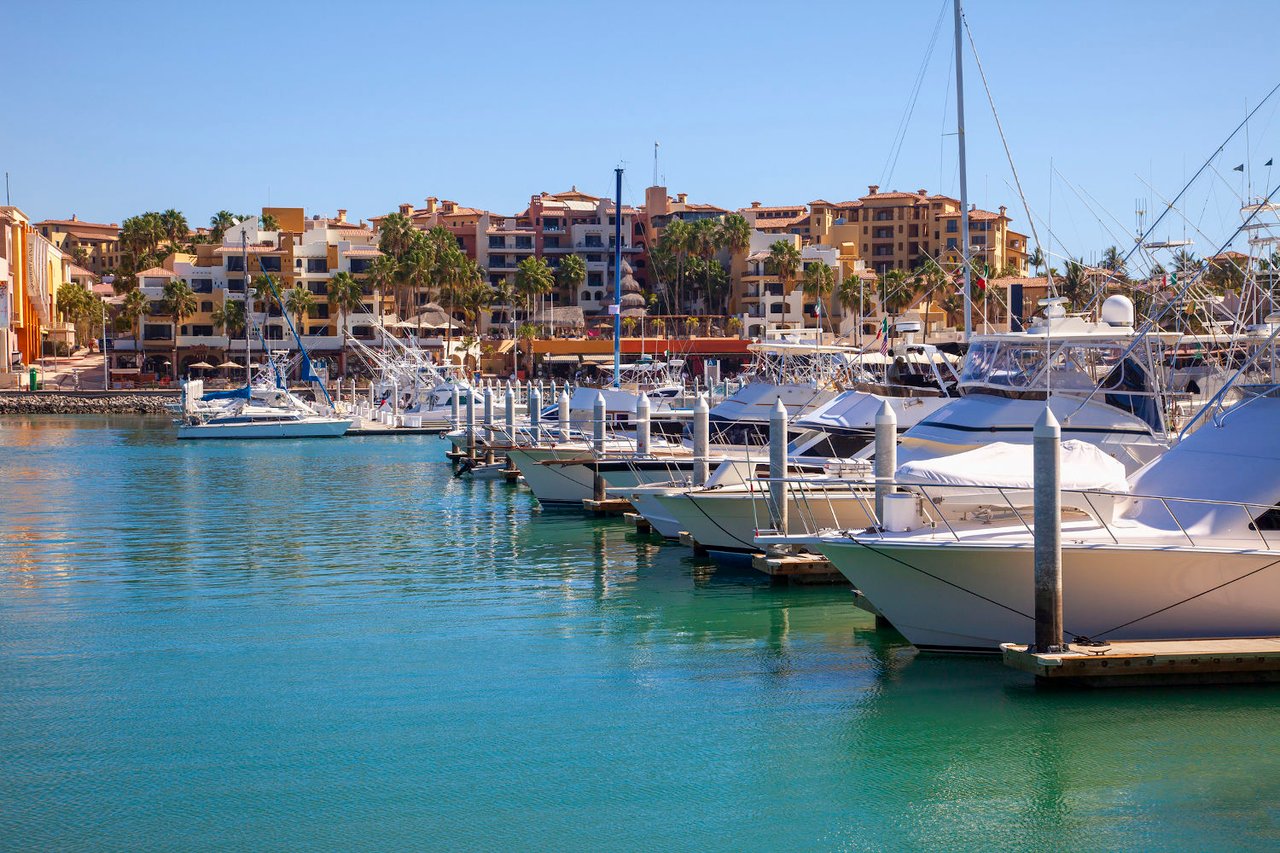
Buying property in Cabo is a dream for many Americans and Canadians - whether it’s a second home by the ocean, a retirement plan, or an investment property with rental potential. But almost everyone starts with the same question:
Can foreigners actually buy property in Cabo - legally and safely?
The short answer is yes. Foreigners can buy property in Cabo, including beachfront and ocean-view real estate. The process is well-established, fully legal, and widely used by thousands of international buyers every year. That said, Mexico follows a different ownership structure than the U.S. or Canada, and understanding it upfront is critical to avoiding confusion, delays, or costly mistakes.
This guide breaks down exactly how foreigners buy property in Cabo in 2026 - in plain English. We’ll cover the legal framework, ownership options, costs, timelines, risks to watch for, and what the buying process really looks like on the ground in Los Cabos.
Whether you’re just starting your research or actively looking at properties, this article will give you a clear roadmap and help you decide your next steps with confidence.
Key Takeaways
- Yes, foreigners can buy property in Cabo, including beachfront homes and condos.
- Cabo is located in Mexico’s restricted zone, which means most foreign buyers purchase through a bank trust (fideicomiso).
- A fideicomiso is not a lease - it gives you the right to sell, rent, remodel, and pass the property to your heirs.
- The buying process in Cabo typically takes 30–60 days, depending on due diligence and trust setup.
- Closing costs in Mexico are different from the U.S./Canada and should be planned for upfront.
- The biggest risks for foreign buyers are title issues, ejido land, and HOA restrictions, not legality.
- Short-term rentals (Airbnb) may be allowed, but rules depend on the building, HOA, and local compliance.
- Working with an experienced local expert who understand both Mexican law and foreign buyers makes a major difference.
Is It Legal for Foreigners to Buy Property in Cabo?
Yes - it is completely legal for foreigners to buy property in Cabo. Mexico has a clear legal framework that allows non-Mexican citizens to purchase and control real estate, including residential, investment, and vacation properties.
What often causes confusion is that property ownership in Mexico works differently than in the United States or Canada — especially in coastal areas like Los Cabos. The rules are not designed to prevent foreigners from buying property, but rather to define how ownership is structured.
To understand this properly, you need to know one key concept: Mexico’s Restricted Zone.
What Is Mexico’s Restricted Zone? (50 km / 100 km Explained)
Mexico’s Constitution establishes a “restricted zone” for foreign ownership:
- 50 kilometers (about 31 miles) from the coastline
- 100 kilometers (about 62 miles) from international borders
Because Cabo San Lucas and San José del Cabo are coastal cities, nearly all residential real estate in Los Cabos falls within this restricted zone.
Important clarification:
The restricted zone does not mean foreigners cannot buy property in Cabo. It simply means that ownership is structured through a specific legal mechanism approved by the Mexican government.
That mechanism is called a fideicomiso.
Why the Restricted Zone Exists (and Why It’s Not a Problem)
The restricted zone dates back to historical land-protection laws meant to preserve national sovereignty in border and coastal areas. Rather than banning foreign ownership outright, Mexico created a bank trust system that allows foreigners to enjoy full property rights while complying with constitutional rules.
In practice, this system has been used for decades and is now standard across:
- Los Cabos
- Puerto Vallarta
- Riviera Maya
- Tulum
- Cancun
- Baja California coastal markets
Thousands of foreign buyers purchase property this way every year.
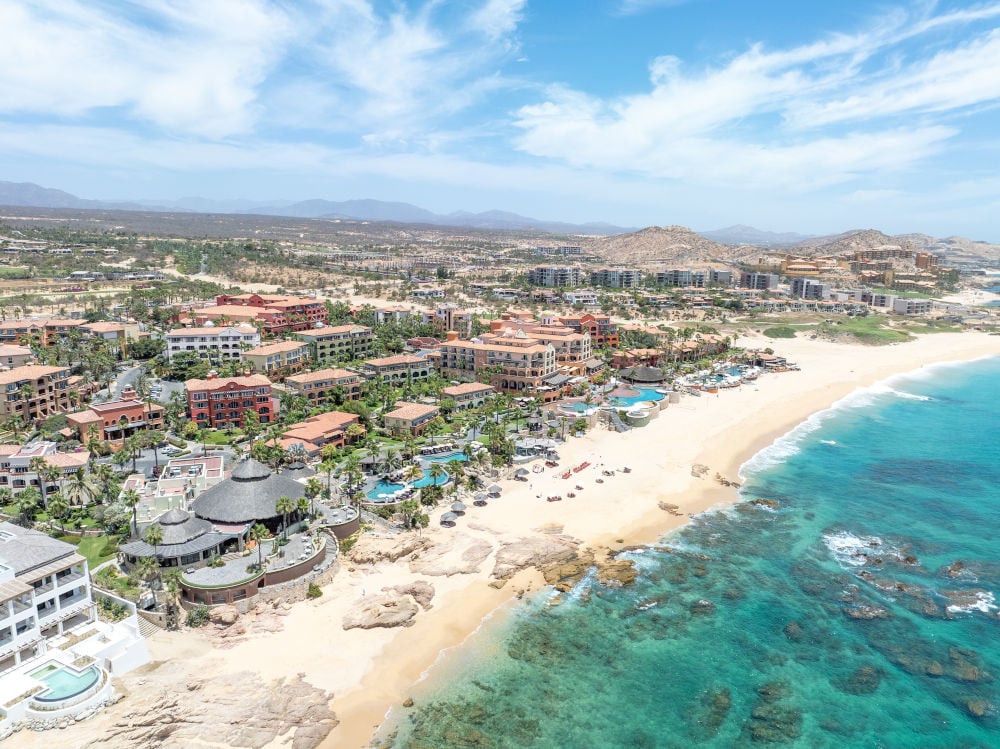
How Foreigners Own Property in Cabo Despite the Restricted Zone
Foreign buyers typically choose one of two legal ownership paths:
- Fideicomiso (Mexican bank trust) - most common for residential purchases
- Mexican corporation - usually for commercial or large-scale investment use
For the vast majority of Americans and Canadians buying homes or condos in Cabo, the fideicomiso is the preferred and simplest option.
We’ll break both options down in detail next - starting with the one you’ll hear about most often.
What a Fideicomiso Really Means (In Simple Terms)
A fideicomiso is a bank trust established with a Mexican bank, where:
- The bank holds the legal title to the property
- You are the beneficiary of the trust
- You retain full control and economic rights over the property
As the beneficiary, you can:
- Sell the property
- Rent it (long-term or short-term, if allowed)
- Remodel or improve it
- Transfer it to heirs
- Change beneficiaries
- Use it as a personal residence or investment
This is not a lease, not a workaround, and not a temporary arrangement. It is a government-approved ownership structure specifically designed for foreign buyers in coastal Mexico.
Does the Bank Control Your Property?
No. This is one of the most common myths.
The bank does not:
- Decide how you use the property
- Restrict rentals on its own
- Take profits
- Interfere with resale
The bank’s role is administrative - holding title on paper to satisfy constitutional requirements, while you control the property in every practical and financial sense.
Is the Fideicomiso Safe?
Yes. The fideicomiso system has been in place for decades and is regulated under Mexican law. Properties held in trust can be sold, inherited, or transferred to another buyer without losing value or legal standing.
In fact, most resale transactions in Cabo involve fideicomisos, and the trust can usually be transferred to a new buyer rather than recreated from scratch.
The 2 Legal Ways Foreigners Own Property in Cabo
When foreigners buy property in Cabo, there are two legal ownership structures available. Both are legal, widely used, and government-approved - but they serve very different purposes.
For most buyers, the decision is straightforward once the differences are clear.
Option 1: Fideicomiso (Mexican Bank Trust)
Best for:
- Primary or secondary homes
- Vacation properties
- Condos and single-family homes
- Most U.S. and Canadian buyers
The fideicomiso is by far the most common way foreigners buy property in Cabo.
How it works
- A Mexican bank holds the legal title to the property
- You are named as the beneficiary of the trust
- The trust is created specifically for your property
- You receive full rights of use, control, and resale
Think of the bank as a legal holder on paper only, not a decision-maker.
What you can do with a fideicomiso
As the beneficiary, you can:
- Live in the property full-time or part-time
- Rent it out (long-term or short-term, if permitted)
- Sell the property at any time
- Remodel, renovate, or expand
- Pass the property to your heirs
- Name substitute or additional beneficiaries
From a practical standpoint, your rights are very similar to direct ownership in the U.S. or Canada.
How long does a fideicomiso last?
A fideicomiso is typically established for 50 years and can be renewed indefinitely. Renewal is a standard administrative process and does not affect your ownership rights or resale value.
What does a fideicomiso cost?
Costs vary by bank and transaction type, but generally include:
- One-time setup fee (paid at closing)
- Annual bank administration fee
We’ll cover typical cost ranges and what affects them later in the article, but the key takeaway is this:
The fideicomiso is a normal, expected cost of owning coastal property in Cabo, not a red flag.
Pros of a fideicomiso
- Simple and well-understood process
- Designed specifically for foreign buyers
- Easy to resell or transfer
- Works for residential and vacation properties
- Widely accepted by lenders, developers, and notaries
Cons of a fideicomiso
- Annual bank fee
- Requires a Mexican bank as trustee
- Not ideal for large-scale commercial operations
For most individual buyers, the pros overwhelmingly outweigh the cons.
Option 2: Mexican Corporation
Best for:
- Commercial real estate
- Development projects
- Multiple investment properties
- Buyers operating as a business entity
Foreigners can also buy property in Cabo through a Mexican corporation, even within the restricted zone - but this option is not for everyone.
How it works
- You form a Mexican company
- The company holds title to the property
- You own shares in the company
This structure is often used for:
- Hotels
- Apartment buildings
- Mixed-use developments
- High-volume rental portfolios
Why most individual buyers don’t need a corporation
While a corporation can be useful in certain scenarios, it comes with additional complexity, including:
- Ongoing accounting and tax filings
- Corporate compliance requirements
- Legal and administrative costs
- Stricter scrutiny for personal-use properties
For buyers purchasing one or two residential properties, a corporation is usually unnecessary and sometimes counterproductive.
Fideicomiso vs. Mexican Corporation: Quick Comparison
| Feature | Fideicomiso | Mexican Corporation |
|---|---|---|
| Best for | Homes & condos | Commercial / investment |
| Complexity | Low | High |
| Annual fees | Bank trust fee | Accounting + compliance |
| Personal use | Ideal | Not ideal |
| Rental use | Allowed (rules apply) | Allowed |
| Resale flexibility | High | Medium |
| Setup time | Faster | Slower |
Which Option Is Right for You?
In simple terms:
- Buying a home or condo in Cabo? → Fideicomiso
- Buying as a business or development project? → Corporation (with legal advice)
Choosing the right structure from the start can save time, money, and stress later - especially if you plan to rent, resell, or pass the property on to family.
Step-by-Step: How to Buy Property in Cabo in 2026
Buying property in Cabo follows a clear, structured process, but it’s different from what most Americans and Canadians are used to. There’s no “MLS → mortgage → title company” flow like back home - instead, the process is built around due diligence, notary oversight, and (for foreigners) trust setup.
Here’s what the buying process typically looks like from start to finish.
Step 1: Choose the Right Property (and Ownership Structure)
Before making an offer, you should already be clear on:
- Condo vs. single-family home
- Intended use (personal, rental, or mixed)
- Whether HOA rules allow rentals
- Whether the purchase will be through a fideicomiso or corporation
This is also the stage where experienced local guidance matters most — not all properties in Cabo are equal from a legal or rental standpoint.
Step 2: Make an Offer & Sign the Purchase Agreement
Once you’ve selected a property, the next step is submitting a written offer. If accepted, both parties sign a purchase and sale agreement.
This agreement typically outlines:
- Purchase price
- Deposit amount
- Closing timeline
- Due diligence period
- Conditions (trust setup, permits, inspections)
Unlike in the U.S. or Canada, offers in Mexico are often more flexible, but the contract language matters a lot.
Step 3: Deposit & Escrow (When Used)
Mexico does not legally require escrow, but escrow is commonly used in Los Cabos — especially for higher-value transactions or new developments.
Escrow helps:
- Protect buyer and seller funds
- Hold deposits securely
- Release funds only when conditions are met
Some transactions use notary-held accounts instead of third-party escrow. The right approach depends on the property, developer, and structure of the deal.
Step 4: Due Diligence (This Is Critical)
This is one of the most important stages of the process.
During due diligence, professionals verify:
- Clean title and ownership history
- No liens, debts, or legal claims
- Proper zoning and land classification
- That the property is not ejido land
- Condo regime documentation (for condos)
- HOA bylaws and rental restrictions
- Utility access and permits
Skipping or rushing this step is one of the biggest mistakes foreign buyers make.
Step 5: Set Up the Fideicomiso (If Required)
If the property is in the restricted zone (which most Cabo properties are), the fideicomiso is created at this stage.
This involves:
- Selecting a Mexican bank as trustee
- Applying for a permit from Mexico’s Ministry of Foreign Affairs (SRE)
- Drafting the trust agreement
- Naming beneficiaries and heirs
This step runs in parallel with due diligence and does not usually delay closing if handled properly.
Step 6: Closing with the Notario Público
In Mexico, a Notario Público is not just a witness — they are a government-appointed legal authority.
The notary:
- Verifies legal compliance
- Calculates taxes and fees
- Drafts and records the public deed
- Ensures proper registration
At closing:
- Final funds are transferred
- The deed is signed
- Taxes and fees are paid
- Ownership (or trust rights) are formalized
Step 7: Property Registration & Final Handover
After closing:
- The deed is registered with the Public Registry of Property
- Utilities and HOA accounts are transferred
- The trust is activated (if applicable)
Registration can take additional time after closing, but you do not need to wait for final registration to take possession.
How Long Does the Buying Process Take?
In most cases:
- 30–60 days from offer to closing
- New developments or complex trust setups may take longer
Delays are usually caused by:
- Incomplete documentation
- Title issues
- Trust or permit processing
- Poor coordination between parties
With proper planning, the process is smooth and predictable.
Costs to Expect When Buying Property in Cabo (2026)
One of the biggest differences between buying property in Cabo versus the U.S. or Canada is how closing costs are structured. They’re not calculated the same way, and they don’t show up as a simple percentage on a standard closing statement.
Understanding these costs upfront helps you:
- Budget accurately
- Avoid last-minute surprises
- Compare properties realistically
Below is a clear breakdown of what foreign buyers typically pay when purchasing property in Cabo.
Typical Closing Costs in Cabo
As a general guideline, closing costs in Cabo usually range from 5% to 8% of the purchase price, depending on the transaction.
These costs are paid once at closing and include several components.
Notary Fees & Government Registration
In Mexico, the Notario Público plays a central legal role, and their fees are regulated but variable.
These costs typically cover:
- Drafting the public deed
- Legal verification of the transaction
- Government registration
- Calculation and collection of taxes
Fees increase with property value and transaction complexity.
Acquisition Tax (Transfer Tax)
This is the equivalent of a property transfer tax.
- Calculated based on the assessed value, not always the purchase price
- Paid at closing
- Required for all property transfers
The exact percentage can vary slightly by municipality and assessment method.
Fideicomiso Setup Fee (If Applicable)
If you’re buying through a fideicomiso, there will be:
- A one-time trust setup fee paid at closing
- A permit application fee through the Ministry of Foreign Affairs
This is a standard part of coastal property purchases and applies to most foreign buyers in Cabo.
Legal & Due Diligence Fees
Depending on the transaction, you may also incur:
- Independent legal review
- Title verification
- Condo document review (HOA, bylaws, regime)
- Escrow-related fees (if escrow is used)
These costs vary based on how much third-party protection you choose to add.
Ongoing Ownership Costs (After Closing)
Beyond the purchase itself, owning property in Cabo comes with ongoing annual costs that are generally lower than in many U.S. and Canadian markets.
Annual Fideicomiso Fee
If your property is held in a fideicomiso:
- You’ll pay an annual bank administration fee
- This fee is paid directly to the bank trustee
- It covers trust maintenance and compliance
This is a predictable, recurring cost that should be factored into long-term ownership planning.
Property Tax (Predial)
Mexico’s annual property tax, known as predial, is typically:
- Much lower than in the U.S. or Canada
- Based on the government’s assessed value
- Paid annually (often with early-payment discounts)
Predial rates vary by municipality but are generally considered very affordable.
HOA Fees (For Condos and Gated Communities)
If you buy:
- A condo
- A property in a gated community
You’ll likely pay HOA (Homeowners Association) fees, which may cover:
- Maintenance of common areas
- Security
- Landscaping
- Amenities
- Building insurance
HOA fees vary widely depending on the community and amenities offered.
Utilities & Maintenance
Ongoing costs may also include:
- Electricity
- Water
- Internet
- Trash service
- Pool and landscaping maintenance
These costs depend heavily on property size, usage, and whether the home is occupied full-time or seasonally.
Renting the Property? Budget for Additional Costs
If you plan to rent the property (long-term or short-term), you should also account for:
- Property management fees
- Cleaning and turnover costs
- Local compliance requirements
- Taxes related to rental income
Rental rules and obligations can vary by building and community, so it’s important to confirm what’s allowed before buying.
Why Cabo Closing Costs Often Feel “Different”
Many foreign buyers are surprised because:
- Costs aren’t bundled into a single statement like back home
- Taxes and fees are handled directly by the notary
- Trust-related costs are unique to Mexico’s coastal markets
Once you understand the structure, the process becomes far more predictable.
Due Diligence Checklist: How Foreigners Avoid Costly Mistakes in Cabo
Most problems foreign buyers encounter in Cabo don’t come from legality or the fideicomiso - they come from skipped or incomplete due diligence.
The good news?
Nearly all of these issues are 100% avoidable if you know what to verify before closing.
Below is a practical checklist used in professional transactions to protect foreign buyers.
1. Verify Clean Title & Ownership History
Before anything else, professionals confirm that:
- The seller is the legal owner of record
- The property has a clean title
- There are no liens, debts, or legal claims
- Property taxes and utilities are up to date
This verification happens through official public records and is reviewed by the notary and legal advisors.
Never rely on verbal assurances or old documents.
2. Confirm the Property Is NOT Ejido Land
Ejido land is one of the most common - and most serious - risks for foreign buyers in Mexico.
What is ejido land?
Ejido land is communal land originally granted to farming communities. It cannot be sold as private property unless it has gone through a full legal conversion process.
Why this matters
- Ejido land cannot be legally owned by foreigners
- Many problems surface years later, not at closing
- “Promises to convert later” are a major red flag
What to check
- Official land classification
- Registry confirmation
- Clear documentation showing private ownership
If a deal feels “too easy” or significantly underpriced, this is one of the first things to verify.
3. Condo Regime & HOA Rules (Critical for Rentals)
If you’re buying a condo or property in a gated community, due diligence must include:
- Condo regime documentation
- HOA bylaws and regulations
- Rental restrictions (short-term vs long-term)
- Pet policies and usage rules
- Voting rights and fee structure
Do not assume Airbnb is allowed.
Even if short-term rentals are legal in the city, the HOA can restrict or prohibit them.
Always verify:
- Minimum rental periods
- Registration requirements
- Fines or penalties for violations
4. Zoning, Permits & Intended Use
Especially important for:
- Investment properties
- Renovation projects
- New developments
You should confirm:
- Zoning classification matches intended use
- Existing structures were built with permits
- No pending violations or enforcement issues
This step helps avoid problems with:
- Rentals
- Resale
- Insurance
- Future expansions
5. Utilities, Access & Infrastructure
Not all Cabo properties are equal when it comes to infrastructure.
Due diligence should confirm:
- Legal road access
- Electricity connection (CFE)
- Water source (municipal vs private)
- Sewage or septic systems
For rural or hillside properties, this step is especially important.
6. Developer Due Diligence (New Construction)
If you’re buying pre-construction or from a developer, additional checks apply:
- Developer track record
- Completed past projects
- Construction timelines
- Delivery guarantees
- Escrow or milestone-based payment schedules
New builds can be excellent opportunities - if the developer is vetted properly.
7. Understand the Role of Each Professional
Many foreign buyers assume one person “handles everything.” In reality, each role is different:
- Real estate agent: Helps you find and negotiate property
- Lawyer: Reviews contracts and protects your interests
- Notario Público: Ensures legal compliance and records the transaction
- Escrow provider (if used): Safeguards funds
Knowing who is responsible for what avoids dangerous assumptions.
8. Consider Title Insurance (Case-by-Case)
Title insurance is not mandatory in Mexico, but it may be recommended in certain situations, such as:
- High-value properties
- Complex ownership history
- Developer projects
This is a risk-management decision best evaluated per transaction.
The Bottom Line on Due Diligence
Most negative stories about buying property in Mexico trace back to:
- Rushed purchases
- Missing documentation
- Inexperienced representation
With proper due diligence, buying property in Cabo is structured, predictable, and secure.
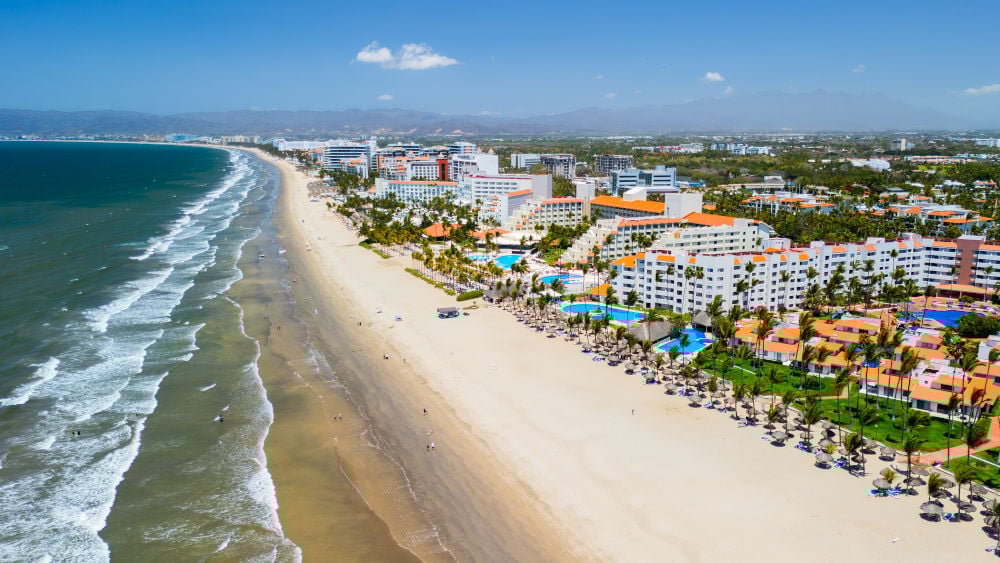
Can Foreigners Rent Out Property in Cabo? (Airbnb, HOAs & 2026 Rules)
Yes - foreigners can rent out property in Cabo, including short-term vacation rentals like Airbnb.
But this is also one of the areas where buyers make the most expensive assumptions.
The key thing to understand is this:
Rental legality in Cabo is not decided by just one rule.
It’s a combination of local regulations, HOA rules, and property-specific conditions.
Let’s break it down clearly.
Short-Term Rentals in Cabo: The Big Picture
Los Cabos is one of Mexico’s most established vacation rental markets. Short-term rentals are widely used across:
- Cabo San Lucas
- San José del Cabo
- The Cabo Corridor
From a city and tourism perspective, vacation rentals are a normal part of the local economy.
However, “allowed in Cabo” does not automatically mean “allowed in your building.”
The #1 Rule: HOA and Condo Regulations Come First
If you’re buying:
- A condo
- A property in a gated community
- A residence within a managed development
Then HOA rules are decisive.
HOAs can legally:
- Allow short-term rentals
- Restrict them
- Set minimum stay requirements
- Prohibit them entirely
Even if:
- Airbnb is legal in the city
- Other units in the area are rented
Never assume rental permission based on location alone.
This is why rental intent must be confirmed before you buy — not after.
Common HOA Rental Scenarios in Cabo
Here’s what buyers typically encounter:
- Fully allowed: Short-term rentals permitted with registration
- Restricted: Minimum stays (e.g. 3-7 nights or longer)
- Limited: Rentals allowed only a certain number of weeks per year
- Prohibited: No short-term rentals allowed at all
Each building and community sets its own rules.
Long-Term Rentals (6-12 Months+)
Long-term rentals are generally:
- Less restricted by HOAs
- Easier to manage
- Less impacted by tourism regulations
For buyers focused on:
- Stable income
- Lower turnover
- Reduced management costs
Long-term rentals can be a strong alternative to short-term vacation use.
Local Compliance & Taxes (What Buyers Should Know)
If you rent your property, you may need to:
- Register for applicable local or federal tax obligations
- Collect and remit lodging or tourism-related taxes
- Report rental income
Requirements can change over time and may depend on:
- Rental platform
- Length of stay
- Level of professional management
This is why many owners work with:
- Local property managers
- Accountants familiar with foreign owners
Buying for Rental? What to Confirm Before Making an Offer
Before you buy with rental income in mind, confirm:
- HOA rental rules in writing
- Minimum stay requirements
- Registration obligations
- Management options and fees
- Historical rental performance (if available)
A property that looks like a “great Airbnb deal” on paper can quickly lose value if rentals aren’t permitted.
Personal Use + Rental: A Common Strategy
Many foreign buyers in Cabo choose a hybrid approach:
- Personal use part of the year
- Rental income when not in residence
This can work very well - if the property and HOA allow it.
Planning for this upfront ensures:
- Realistic income expectations
- No compliance surprises
- Easier resale later
Rental Rules Can Change — Structure Matters
Rental regulations evolve, especially in high-demand destinations. Properties that are:
- In well-managed communities
- Clear on rental permissions
- Properly documented
Tend to hold value better and attract more buyers over time.
Frequently Asked Questions About Buying Property in Cabo as a Foreigner
Do foreigners really “own” property in Cabo?
Yes. When foreigners buy property in Cabo through a fideicomiso, they receive full ownership rights as beneficiaries of the trust. This includes the right to sell, rent, remodel, and pass the property to heirs. The structure exists to comply with Mexico’s restricted zone rules, not to limit buyer control.
Is a fideicomiso the same as leasing land from the government?
No. A fideicomiso is not a lease. It is a legally recognized bank trust that grants the foreign buyer enforceable property rights. The bank does not use the property, manage it, or profit from it beyond an annual administrative fee.
How long does the fideicomiso last?
A fideicomiso is typically established for 50 years and can be renewed. Renewal is a standard administrative process and does not affect your ability to sell or transfer the property.
Can Americans and Canadians buy beachfront property in Cabo?
Yes. Beachfront and oceanfront properties are commonly purchased by foreigners in Cabo through fideicomisos. This is the standard and accepted ownership structure for coastal real estate in Mexico.
How long does it take to buy property in Cabo?
Most transactions take 30 to 60 days from accepted offer to closing. Timing depends on due diligence, trust setup, documentation, and whether the property is resale or new construction.
Do I need a lawyer if there is a notary?
The notary ensures legal compliance and records the transaction, but does not represent either party. Many foreign buyers choose to work with an independent lawyer to review contracts and protect their interests during negotiations and due diligence.
Is escrow required in Mexico?
Escrow is not legally required, but it is commonly used in Los Cabos, especially for higher-value transactions or new developments. Some deals use third-party escrow services, while others rely on notary-managed accounts.
What is ejido land and why is it risky?
Ejido land is communal land that cannot be legally sold as private property unless fully converted through a specific legal process. Foreign buyers should avoid ejido properties unless proper conversion is fully completed and verified.
Can I Airbnb my property in Cabo?
Possibly. Short-term rentals are allowed in many areas, but HOA rules and condo regulations always come first. Some buildings restrict or prohibit short-term rentals regardless of city-level legality.
Are property taxes high in Cabo?
No. Annual property taxes (predial) in Cabo are generally much lower than in most U.S. and Canadian markets. Rates are based on assessed values and vary by municipality.
Final Thoughts: Buying Property in Cabo as a Foreigner in 2026
Buying property in Cabo as a foreigner is legal, established, and common — but it’s not something to approach casually.
The biggest risks are not tied to foreign ownership itself, but to:
- Skipped due diligence
- Unclear HOA rules
- Inexperienced representation
- Assumptions based on how things work back home
When the process is handled correctly, Cabo offers:
- Strong lifestyle value
- Flexible ownership structures
- Long-term demand from international buyers
- A proven market for both personal use and investment
Understanding the rules upfront allows you to move forward with confidence - whether you’re buying a vacation home, planning a relocation, or building a long-term strategy in Los Cabos.
Next Steps
Buying property in Cabo is straightforward when you start with the right information.
Before making an offer, it’s important to confirm how a specific property can be owned, whether rentals are allowed, and what the real closing costs will be. Every condo, home, and community in Los Cabos has different rules.
Joe Taylor helps buyers verify ownership structure, rental restrictions, and potential red flags early - so there are no surprises after closing.
Explore available homes in Los Cabos
